


Ethiopian Coffee Season
Read time: 2 minutes
Date published: 28 August 2026
Last updated: 28 August 2026
The most anticipated event in the coffee calendar
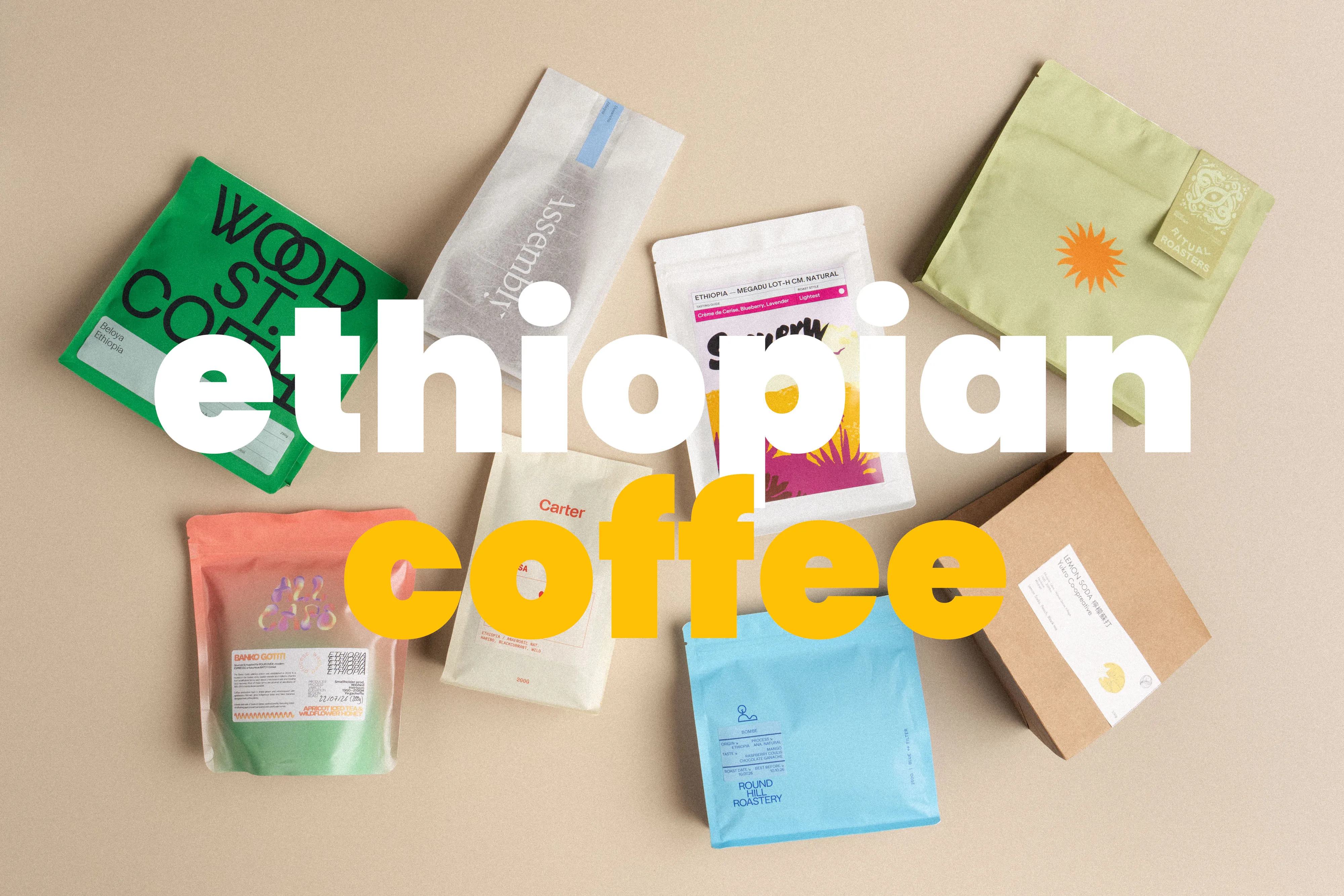
Ethiopian coffees are starting to pop up all over our roasters offer lists. Why now and what’s different this year?
Ethiopian coffee season is one of the most keenly anticipated events in the coffee calendar. It might be Colombia putting out the wild and innovative process-driven lots these days but for a lot of coffee roasters and drinkers, Ethiopia is the origin that made them fall in love with coffee or understand it in a new way. Its continuing popularity means roasters put serious time into choosing their selections from the birthplace of coffee and work closely with producers at origin to ensure that they plan their calendar around harvest timing to source the freshest arrivals.
The current crop, from the 25/26 harvest, will have been picked between October 2025 and February 2026, with the highest altitude regions in the south like Yirgacheffe, Guji and Sidamo towards the end of that period.
These coffees are processed immediately and then go through a long journey of dry-milling, grading and auctioning before being exported and arriving at roasteries around the world.
The 25/26 season has hit around two to three weeks later than previous years, with the southern regions experiencing a 5 to 7% decrease in volume that’s mostly a return to the mean after a bumper harvest. (Sucafina)
The slightly later arrivals have also been prolonged by changes in processing trends. Green coffee importer Trabocca has noticed a move towards more natural (dry) process coffees this season that we’re definitely seeing in our roasters’ picks!
Natural and Experimental Process Ethiopian Coffee


With strong prices for natural coffee last season and high upfront costs for washing stations, more smallholders are choosing to process coffee at home instead of selling straight to washing stations, meaning they keep more value in their crop.
In addition, the establishment of the Specialty Coffee Association of Ethiopia in 2025 means more processing stations are implementing experimental post-harvest processing adjustments that demand a higher price and help diversify Ethiopian coffee flavour profiles. The result: reduced volumes of washed coffees and fewer options for us to pick from.
The best news for us is the impact of a new directive in Ethiopia that helps exporters and roasters achieve transparency goals and a more vertically integrated system. As of 2025, coffee from farmers with at least two hectares of land and co-operatives can be directly exported to suppliers without passing through the complex ECX (Ethiopian Commodity Exchange) system or be exported by smaller private exporters like Daye Bensa. More flexibility, a more direct supply chain, better traceability.

More from drop

13 February 2026

30 January 2026

21 January 2026

01 December 2025

15 October 2025

29 August 2025

16 May 2025

17 January 2025