


What we talk about when we talk about Big Reds
Read time: 3 minutes
Date published: 01 December 2025
Last updated: 03 December 2025
Dad reds, steak-friendly reds, cellar-worthy reds.
When someone says ‘big red,’ you imagine a certain kind of wine: bold, structured, and impossible to ignore. But what makes a red wine ‘big’?
Big reds are practically made for cold weather. Their full body and higher ABV warm you from the inside out. The rich, layered flavours of big red wines pair perfectly with the indulgent foods of the festive season. Big reds stand up to fatty cheeses, roasted meats and hearty stews without overpowering them.
Body
Body is wine’s physical presence on your palate. Big reds have a full body, meaning they feel dense and coat your mouth in their rich flavour. This is a culmination of the riper grapes and tannins, higher alcohol, and sometimes extended aging in oak barrels and the bottle. Full bodied wines are physically ‘full’ of flavour and leave a lasting impression on the finish.
Tannins
Tannins are the compounds from grape skins, seeds, and stems that give wine its structure and astringency. In Big Reds, the tannins have had a chance to develop and ripen more so are firm and gripping, giving the wine a structure that can allows it to age for many years. You might feel a drying sensation on your gums and the sides of your tongue- that’s the tannins making themselves known! Tannins play a big part in why Big Red wines are perfect for winter- they cut through and match hearty meals, balancing richness with structure.
Grapes
Certain grape varieties are synonymous with big reds. Cabernet Sauvignon brings black fruit, cassis and minty complexity Syrah/Shiraz delivers peppery and smoky flavours that really come out with oak aging. Both varieties have really thick skins which means high tannins in the glass. Tempranillo is a more versatile grape that can offer both fresh red fruit flavour or a more intense body and black fruit notes that are perfect for ageing. Each grape variety contributes unique characteristics to a wine’s size, flavour, and aging potential. What unites most Big Red grapes is they are warm climate wines, meaning the grapes can ripen to their full potential and provide that intensity.
The ripe grapes that make big reds will normally have a higher alcohol content which adds warmth and amplifies flavours. It’s a delicate balance; alcohol can give an overpowering heat that destroys wine’s delicate flavours and leave a nasty burn at the back of your throat. The right amount enhances the wine’s fruit and supports subtle notes of spice and smoke. When a wine hits that sweet spot the alcohol underpins the structure without taking over, giving a sensation of perfectly balanced intensity.
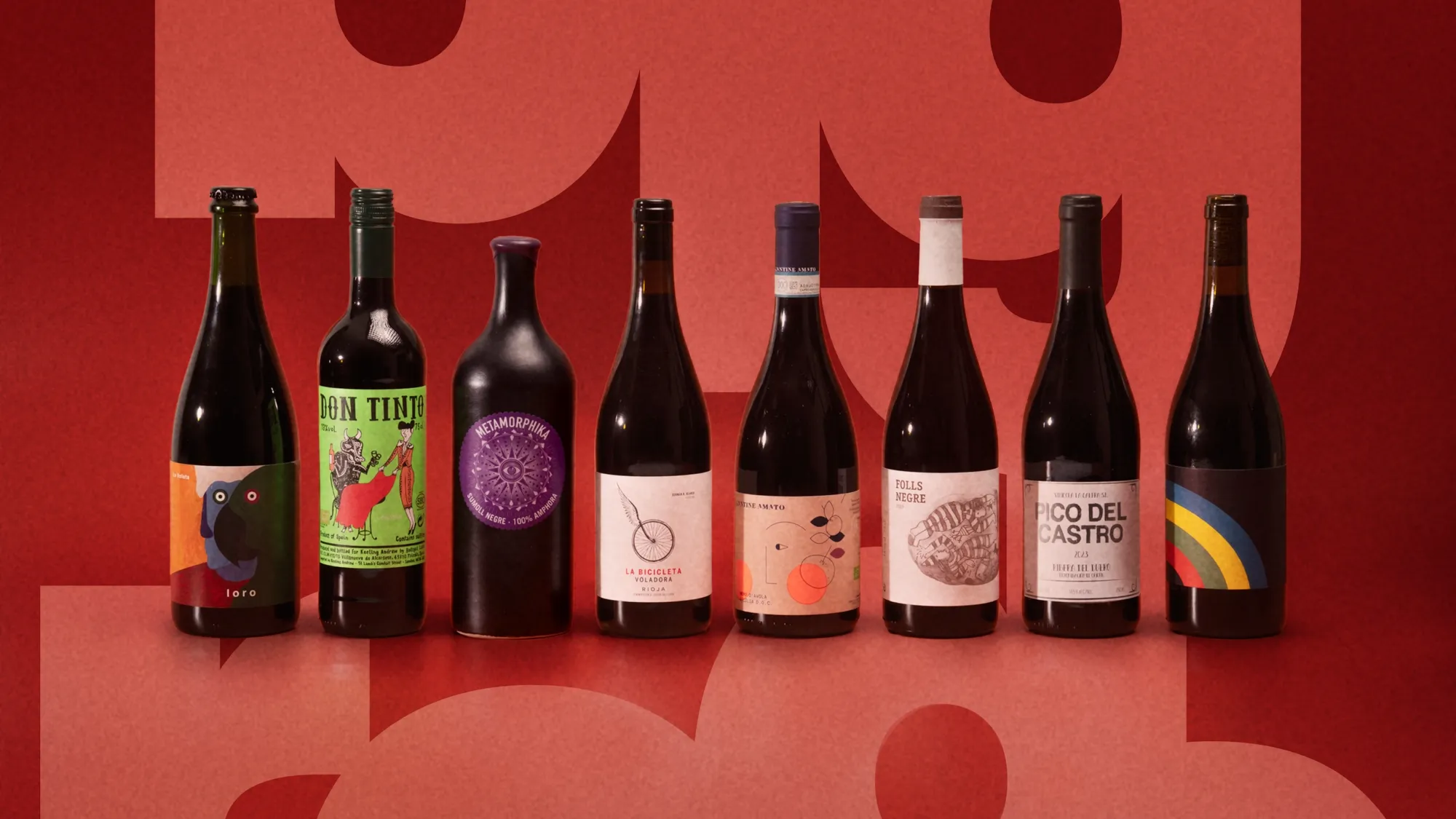
drop's fave Tempranillo wines


Tasting Notes
When tasting big reds you can expect layers of flavour. On the nose, aromas might range from blackberry, plum, and cassis to the secondary characteristics of cedar, pepper and spice and perhaps even vanilla, smoke or tobacco from oak aged wines. On the palate, fruit is often ripe and concentrated, supported by firm tannins and a lingering spice. A truly big red isn’t just about intensity, it’s about a balance and complexity that can offer something more with every sip.
drop's fave big reds


More from drop

28 August 2026

13 February 2026

30 January 2026

21 January 2026

15 October 2025

29 August 2025
16 May 2025

17 January 2025